


HUGE FLAMES BLAZED through the roof of the industrial building. Billowing smoke rose slowly to a plume and moved inland. Teresa Villaruz and her family watched from their car on Highway 1.
They were driving from their home in Marina, California, up to San Jose on Thursday evening, Jan. 16. Only when they arrived did they learn what exactly had happened: A lithium-ion battery array at Vistra’s Moss Landing 300-megawatt energy storage facility, one of the largest in the world, had caught fire earlier that afternoon.
1,200 people in surrounding areas had to evacuate later that night. Highway 1 closed shortly after Villaruz and her family had passed the Vistra facility. The fire continued for two days until it apparently burned itself out on Saturday.
On Sunday, within an hour after returning to Marina, a town 10 miles south of Vistra’s Moss Landing facility, Villaruz felt her eyes and throat burn. Outside she could still smell smoke, and in her home, she noticed the odor of corroding batteries.
A cancer survivor, Villaruz, who said she has been in remission for two years, worries the fire could impact her own health and the wellbeing of her daughter. “It’s very concerning for me,” she told Hunterbrook. “It’s not just about, can we breathe today? But it’s more, what’s the lasting effect of the toxins in our air and our water and in our farmlands as well?”
To get away from what she feared were toxic chemicals, Villaruz and her family drove to San Jose on Monday morning, where she quickly began to feel better. After three days, the family returned to Marina and again experienced symptoms — in an interview on Friday, Villaruz said she still felt fatigued and foggy.
She is not the only resident in the vicinity of Vistra’s Moss Landing facility who said she has been experiencing health problems since the fire. More than 2,500 people have joined a group on Facebook, where they document their symptoms, which they attribute to exposure to toxic fumes in the fire. Among the most common problems: burning eyes and lungs, sore throat, headaches, nosebleed and bleeding gums. Several residents report a metallic taste in their mouth.
They are worried about the immediate and long-term effects of the battery fire on their health, and also about the potential impact beyond their own communities: The Vistra facility is based in the Salinas Valley, an area also known as “America’s Salad Bowl.” It produces 70% of the lettuce grown in California, as well as other fruits and vegetables, including broccoli, cauliflower, spinach, strawberries, tomatoes, and artichokes.
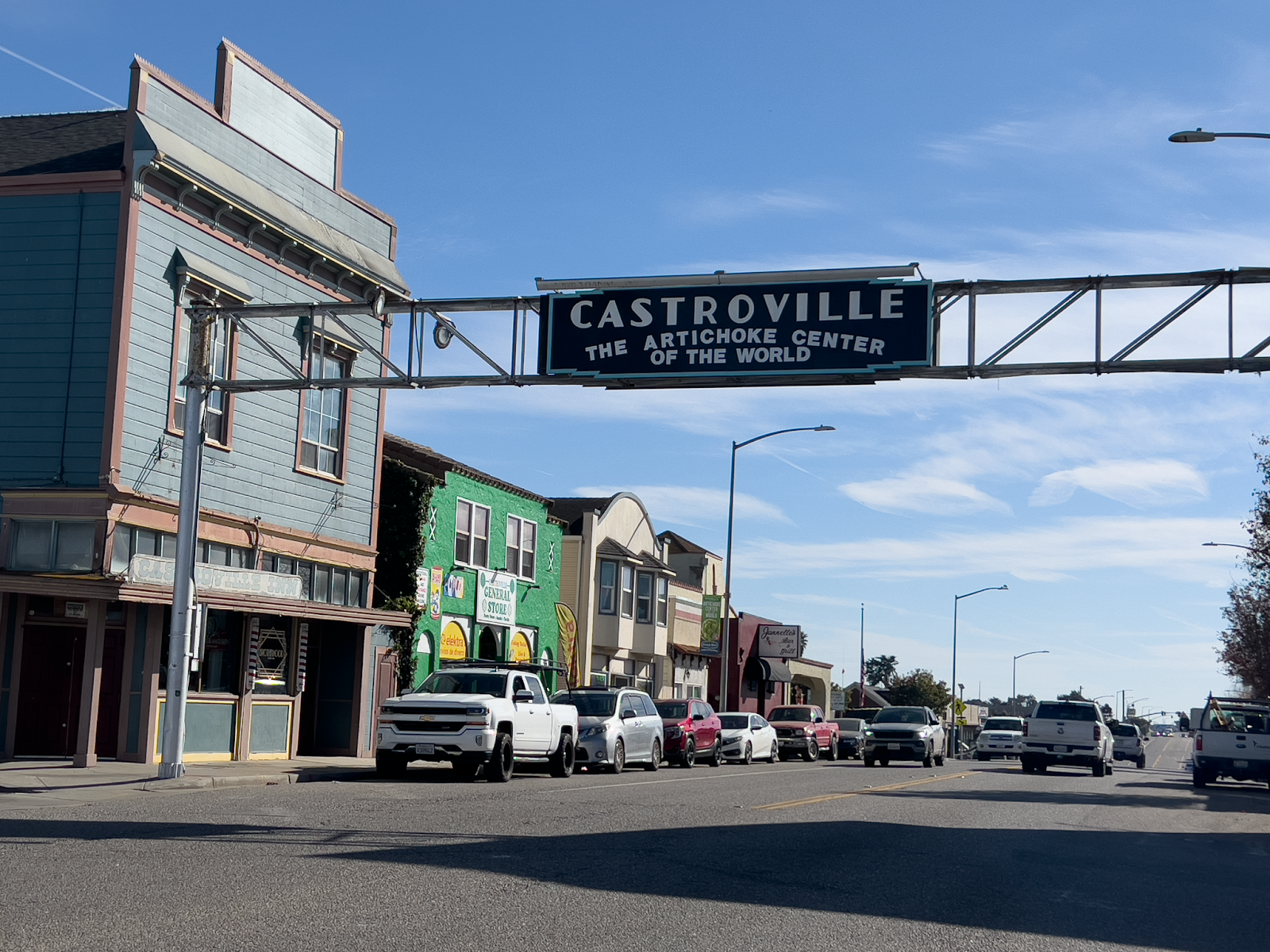

Soil contamination in the region, residents fear, could have a major economic impact on its farms and pose health risks to consumers buying produce from the Salinas Valley.
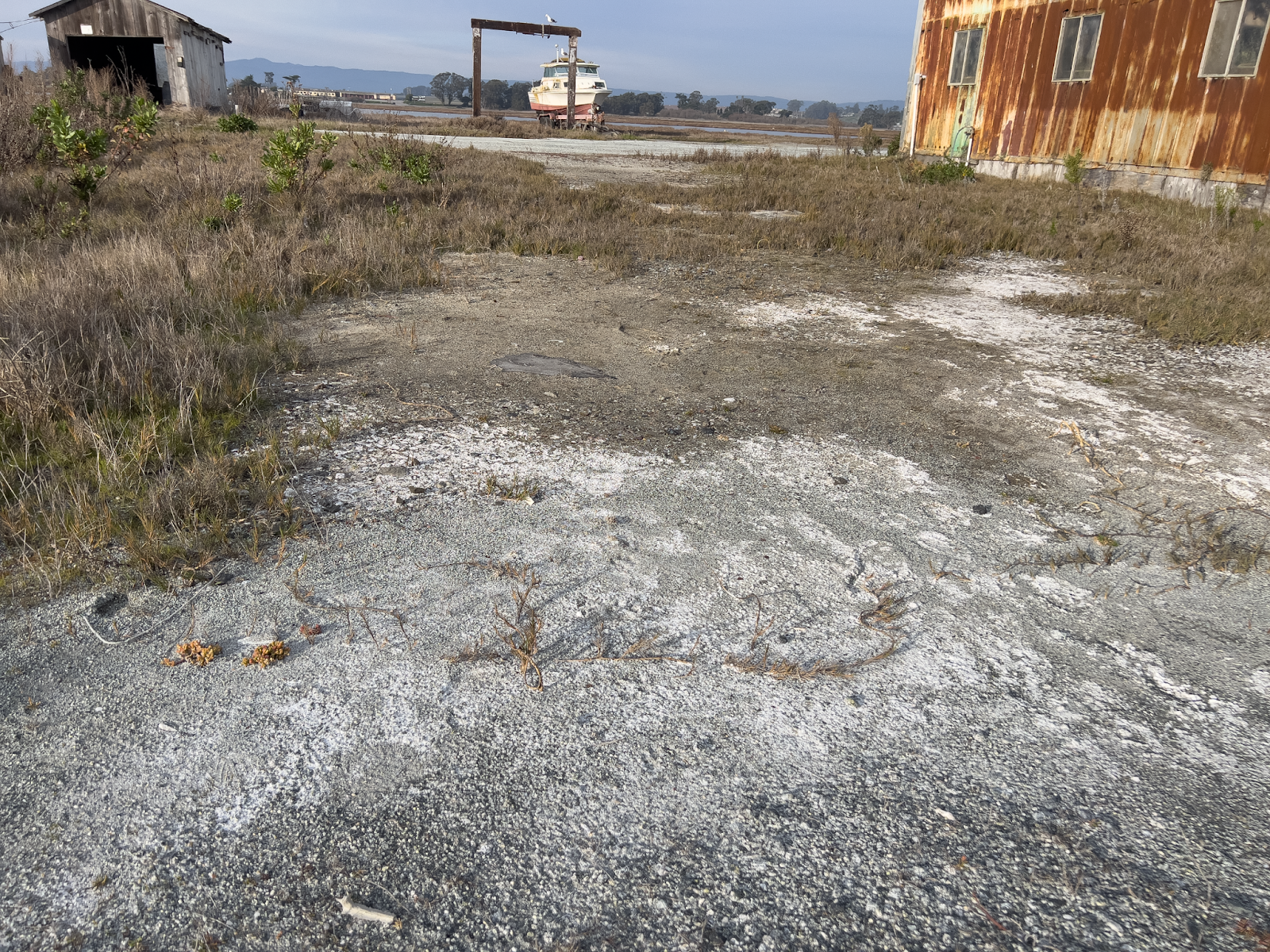
And on Monday, these concerns appear to have been validated by research scientists at San José State University — who revealed “unusually high concentrations of heavy-metal nanoparticles in marsh soils at Elkhorn Slough Reserve following the recent fire at the nearby Vistra Power Plant’s lithium-ion battery storage facility.” Elkhorn Slough is California’s second largest salt marsh and the United States’ first estuarine sanctuary.
In a statement, the researchers noted that field surveys “measured a dramatic increase in marsh soil surface concentration” of nickel, manganese, and cobalt.
According to the researchers, the nanoparticles they found are used in cathode materials for lithium-ion batteries. They say the occurrence of the heavy metals in the soil is connected to airborne cathode material from the Vistra battery fire. When asked about the test results by Hunterbrook, Vistra did not respond.
California Assemblymember Dawn Addis, who represents Moss Landing, put out a statement in response to the findings. “I am alarmed and deeply concerned to hear the high concentrations of heavy metals have been identified within one of our most cherished and fragile ecosystems, Elkhorn Slough and its surrounding areas,” said Addis. She is calling for an independent investigation by the California Public Utilities Commission. “True climate solutions must benefit — not harm — our communities and natural environment,” she said.


Air quality tests found no hazardous compounds
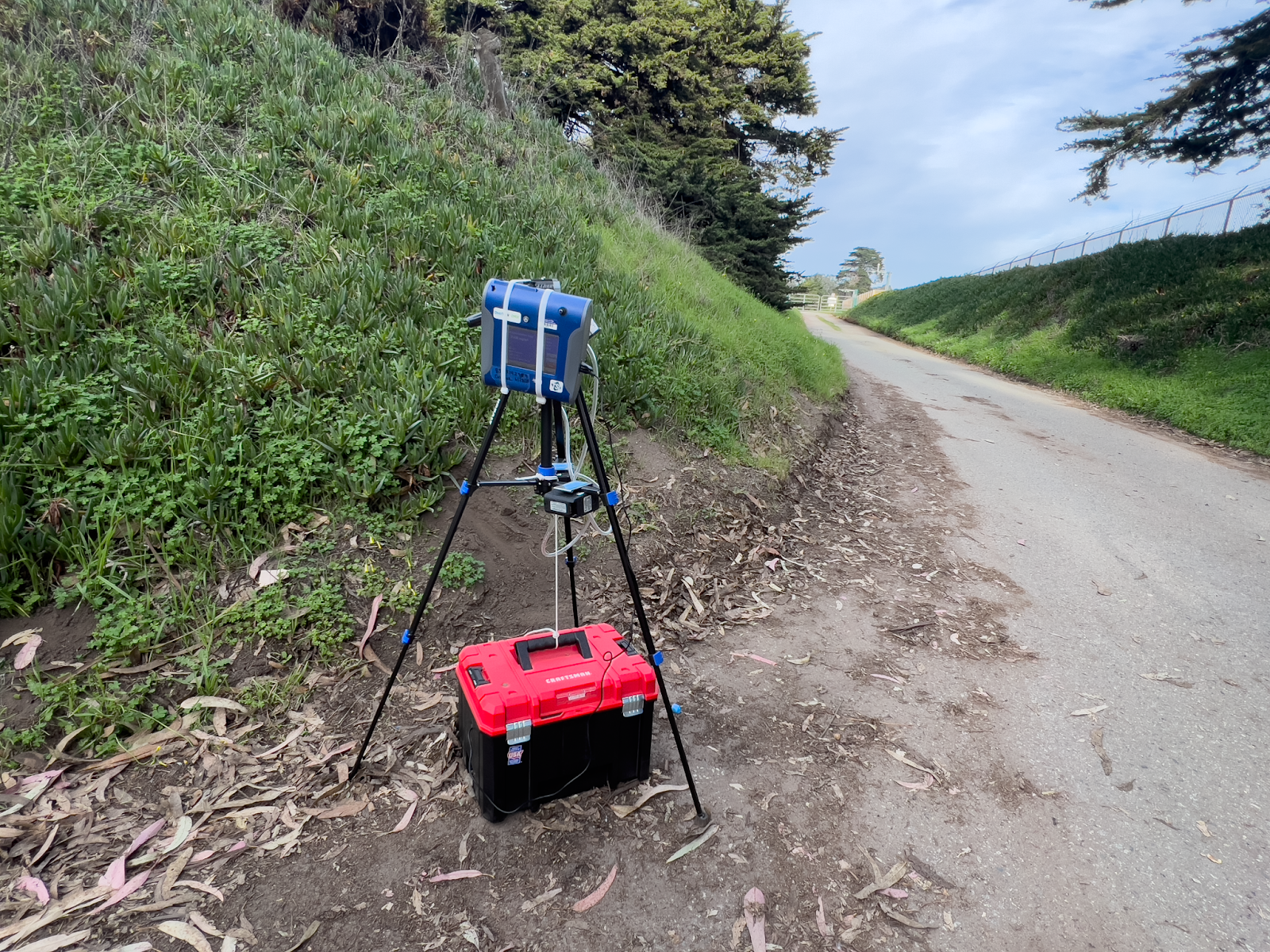
Both Vistra and the Environmental Protection Agency have said that there is no need for concern about air quality. EPA representatives had arrived on the scene early on the day after the fire started and the first hydrogen fluoride gas readings were available later that afternoon. Hydrogen fluoride is a toxic byproduct when a lithium-ion battery catches fire.
“Even at low levels,” according to the Centers for Disease Control and Prevention, the invisible gas “can irritate the eyes, and respiratory tract. Breathing in hydrogen fluoride at high levels,” the CDC warns, or in combination with skin contact, “can cause death from an irregular heartbeat or from fluid buildup in the lungs.”
The EPA said that it had not detected hazardous compounds in its air quality tests, and all particulate matter readings were low and within expected air quality index bands deemed safe for the general public. It concluded its tests in Moss Landing and the surrounding area on Monday, Jan. 20. Vistra has hired CTEH, a company that conducts workplace and environmental toxicology testing, to continuously monitor the air quality in the area around the facility while smoldering continues inside the building. CTEH’s tests have also found no toxins in the air. While the investigation into the cause of the fire continues, a local fire chief said a “fire-suppression system” had failed.
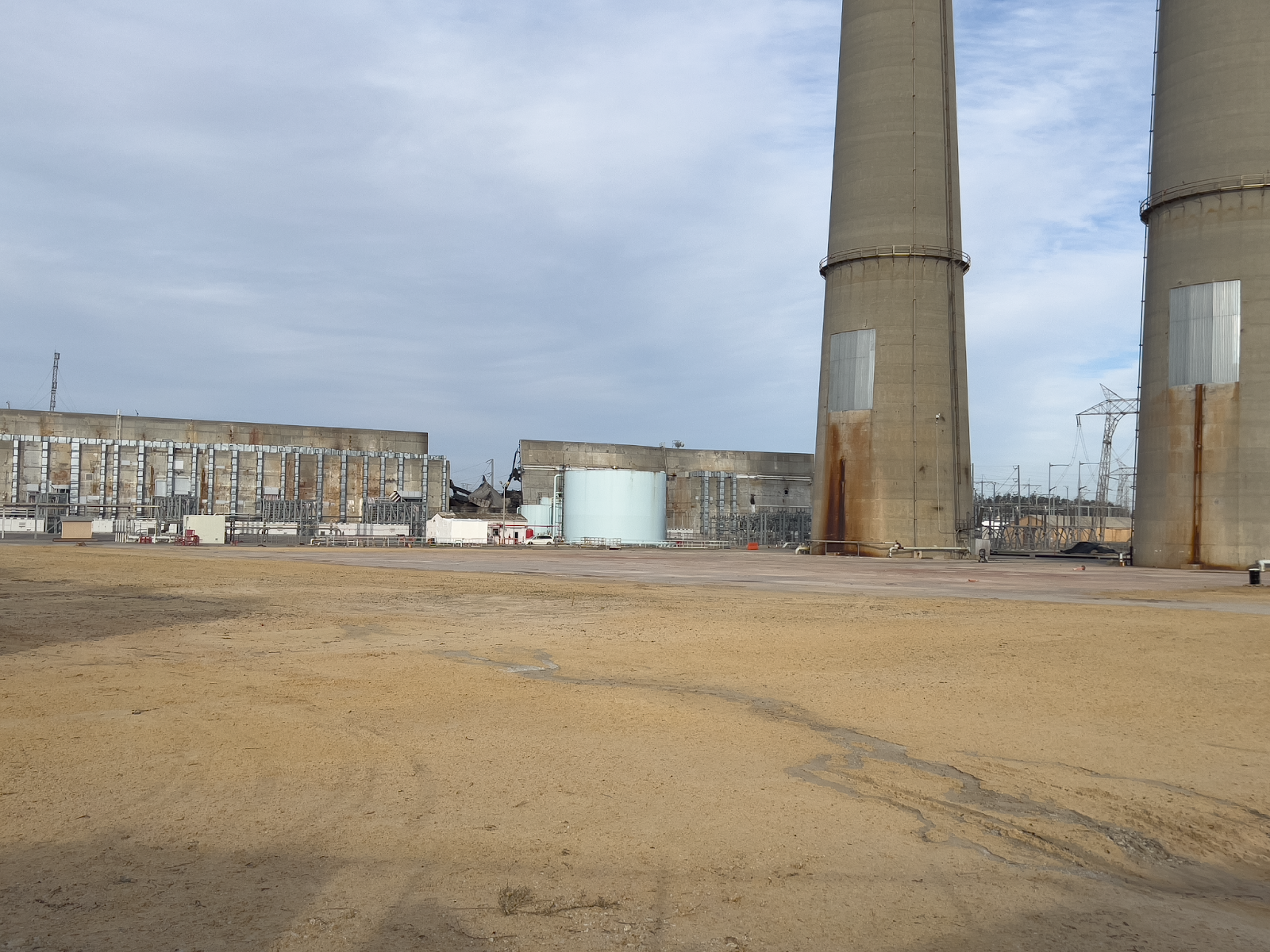
According to a presentation about the incident published by the County of Monterey, the fire at the Vistra facility in Moss Landing started around 3 p.m. local time on Jan. 16. A hazard advisory alert was sent to the public around 5 p.m., and the county sheriff issued the evacuation order at 6:32 p.m. A health advisory was put in place at about 11 p.m. All three have since been lifted.
The County of Monterey Board of Supervisors on Thursday, Jan. 23, declared a state of emergency, which clears the way for the county to ask for state and federal assistance as it is still assessing the fallout from the fire. The county started collecting soil and water samples in the area around the Vistra facility for testing, in collaboration with the Department of Toxic Substances Control and California Environmental Protection Agency.
“(The air quality testing) the EPA did, was very preliminary and very limited, let’s be honest about that,” said Glenn Church, supervisor for Monterey County District 2, in an interview with Status Coup News. “And what we need to do now is to go out there and start to have more comprehensive tests. They’re going to start at the site and expand out from there.”
District 1 Supervisor Luis Alejo said the county’s fire and sheriff’s departments, and the Monterey Bay Air Resources District should have equipment provided by Vistra to be able to test for hydrogen fluoride.
The board also voted to create an ad hoc committee to investigate whether the company was in compliance with SB 38, a state law requiring battery storage facility owners and operators to create emergency response action plans in concert with local agencies. While Vistra had submitted a plan for the space it occupies at the Moss Landing site, Pacific Gas & Electric, a large utility company which shares the site with Vistra, has not.
“We do not have any emergency response plan from the PG&E facility,” said District 2 Supervisor Church. “None whatsoever. And these emergency response plans really need to look at what is a really a worst-case scenario.”
Church confirmed with staff that both the facilities with Vistra and PG&E were offline.
“As I understand it,” he said. “They both can turn themselves on at any time, depending upon that company’s choice. And there is no approval needed from any regulatory agency in this state to do that.”
The board agreed to send a letter to both the PG&E and Vistra battery facilities asking them to remain offline during the investigation.
This isn’t the first incident at Vistra’s Moss Landing facility. In both 2021 and 2022, the facility already had incidents caused by a malfunctioning fire suppression system.
According to Vistra, several leaks allowed water to spray on battery stacks, causing them to overheat and release smoke. Both incidents were contained and didn’t lead to evacuation orders, and the company refers to them as “overheating” incidents rather than fires.
Gasses released from batteries are highly flammable and toxic. The Monterey County incident presentation states: “The type of gas released depends on the battery chemistry involved but typically includes gases such as: carbon monoxide, carbon dioxide, hydrogen, methane, ethane, and other hydrocarbons.”
A community reports health consequences
Moss Landing residents have expressed concern over chemicals contained in batteries and frustration with the response of county and public health officials, as well as Vistra and the EPA, according to interviews with Hunterbrook and posts in the Moss Landing fire Facebook group.
Some say their concerns are not being taken seriously and they have received limited or conflicting information about the health risks the fire may pose.
Residents have started a community response group and organized their own soil sampling effort, Brian Roeder, who facilitated the group’s initial meeting, told Hunterbrook.
Over the weekend, the group distributed approximately 150 testing kits to volunteers, who took samples throughout the Monterey Bay area. The soil kits will be tested for heavy metals by an independent lab. The results will be shared with authorities and the public. “We are completely neutral and agnostic about the results. This is a scientific process,” said Roeder, who noted that he is paying for the cost of the tests himself, but has received several cash donations for this effort. “We believe based upon all of the symptoms that have been described by people that there is presence in the environment, but we’re going to let the data speak for itself.”
On a website Vistra has set up to inform the public about the incident at its facility, the company acknowledges that debris from the fire may have traveled to areas around the plant and says it has collected its own samples for analysis.

Hunterbrook spoke with local resident Marcus Schnell who is 43 years old and a service advisor at an auto dealership. He lives with his two young children a few miles from the Moss Landing facilities. “My son was the first one to start reporting this. A little bit of a sore throat … by the time Friday night rolled around, we all had varying degrees of different symptoms from itchy or burning eyes, irritated throats, different levels of lung irritation,” Schnell recalled.
He worried about his children and their safety. “I don’t like that there’s an unknown. Obviously I’m more concerned about them than me because they’ve got a lot more life to live,” he told us.
Schnell also noticed something odd when they left town in the midst of the chaos of the Moss Landing fire. Chowchilla, the town they went to, happened to have worse air quality readings due to the Los Angeles fires, he said. But their symptoms disappeared once they left home. “We went to what was listed as worse air quality, and our symptoms went away that weekend,” he said.
Schnell and his family also own chickens, cats, and a dog. He said they had a chicken die following the fire and noticed coughing and wheezing from the cats and dog. He argued the facilities should be shut down and separated from populated areas to prevent further disasters.

Jody Parker started having symptoms when the fire grew on Friday. Parker works remotely from her home on Carmel Avenue in the town of Marina, 10 miles south of the facility. She told Hunterbrook she had never experienced allergies before.
“When I went outside my chest kind of started hurting. And then I noticed as I was trying to clean and do stuff around the house, I felt really winded,” she said. “It was just, kind of very tiring to do anything. And I just kind of gave up trying to finish cleaning. … I’ve mostly been just congested, like, some chest pain, some breathing issues.”
Parker is concerned about the long-term impact on local residents’ health. “I can tell you, nobody wants that plant here, nobody wants that plant here anymore,” she said.
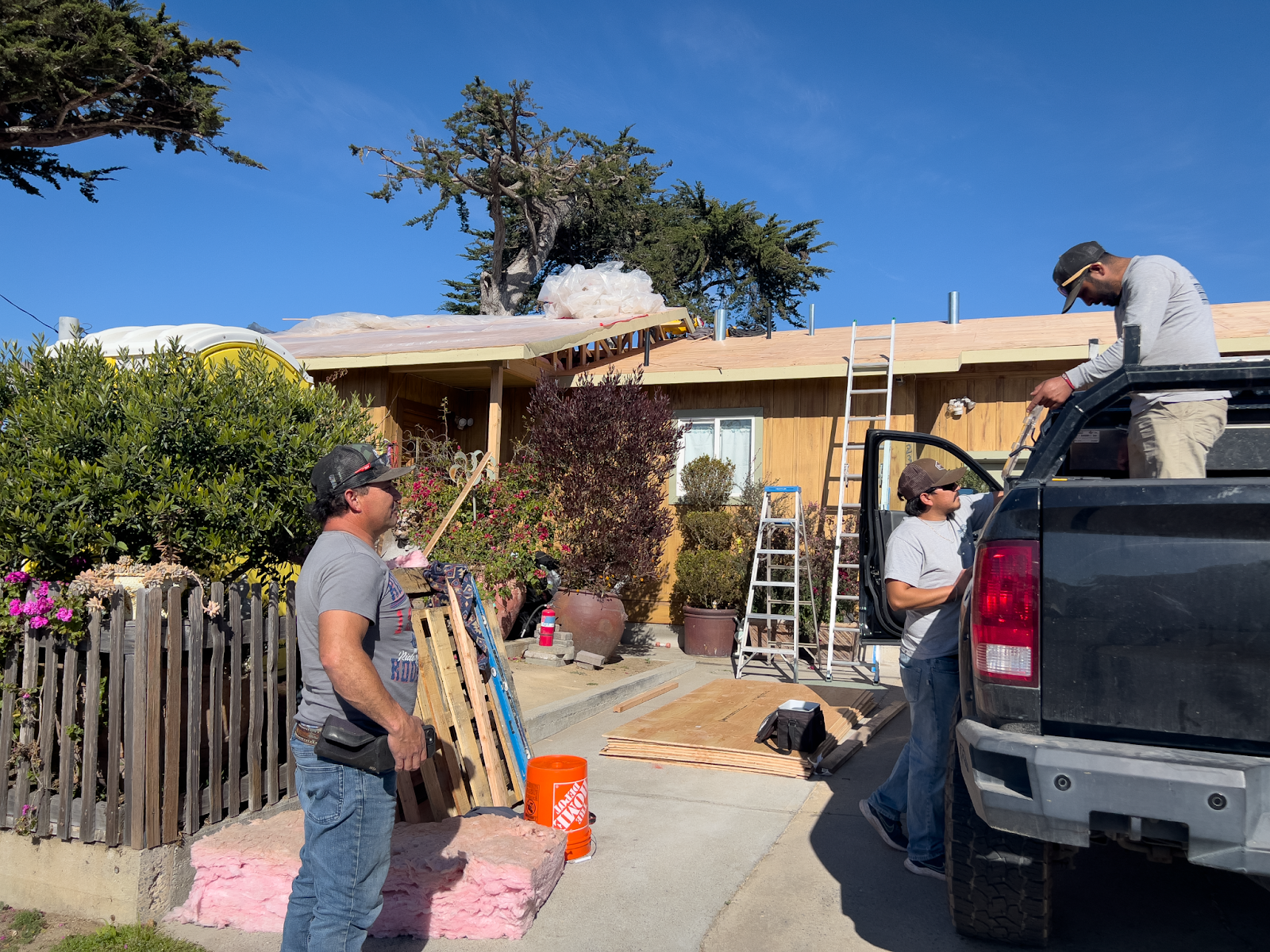
Across the street from Parker’s house in Marina, building contractor Jose Rivera and his sons were working on the construction of a new home during the incident. Rivera lives in Prunedale, seven miles east of the facility. He told Hunterbrook he and his school-age daughter both had a sore throat for a few days, but the symptoms went away.
“I think that this phenomenon macroscopically is kind of like a Three Mile Island,” said Dr. Tom Yarema, who operates a Center for Wellness & Integrative Medicine in the town of Soquel. He told Hunterbrook he had seen several patients with symptoms that he attributes to the fire and stressed the importance of collecting documentation. “We should be laying a pole or grid on the point of origin. And we should be studying it for at least 20 years.”
Karen Smith, a spokesperson with the Monterey County Health Department, told Hunterbrook their local records indicated that some people did seek medical care in the days following the fire.
“But the proportion of emergency department visits due to air quality related symptoms did not significantly change from what we would expect prior to the fire and what we would expect to see at this time of year,” Smith said. “It is also early. As time goes on, we’ll probably have more information.” She added, “This is going to be an ever-evolving thing.”
Did emergency plan underestimate prolonged fire?
Vistra’s incident response website links to an emergency plan that the company developed after the two incidents with overheating batteries at its plant in 2021 and 2022 — which shows that the company may have underestimated the risk a fire at its facility might pose to communities in the surrounding area.
The document includes a “worst case” scenario mode developed by a third-party risk consultancy, which assumes that the fire would be extinguished after 30 minutes — a short amount of time, given that battery fires are known to be extremely challenging to put out.
Last week’s incident shows how far off the emergency plan’s assumption was: The fire burned for two days, and smoldering was still ongoing at least one week after the fire.

Vistra’s consultants found that there is no risk to the public from a fire at its 300-megawatt complex, where the Jan. 16 fire broke out, and that the dispersion of toxic fumes would be contained to the plant site. Vistra presented an earlier version of its emergency plan to the County of Monterey in December 2022 and said it found only one specific scenario where there could be potential ground-level exposure to hydrogen fluoride in surrounding communities.
Monterey County District 1 Supervisor Luis Alejo said in a Board of Supervisors meeting he wants the plume modeling in Vistra’s worst-case scenario to be reassessed. “It gave assurances to the public then that doesn’t seem to have panned out,” he said.
When asked about the emergency response plan at a news briefing on Wednesday, Jan. 22, a representative for Vistra said the document could be modified after last week’s fire: “That is a dynamic document. It can be changed and certainly as we go forward we’ll want to look at revisions and what needs to be added to it.” Vistra did not respond to Hunterbrook’s request for comment regarding the worst-case scenario modeling in its emergency response plan.

Giving approval power back to local communities
In reaction to the fire, Assemblymember Addis introduced a bill that would return approval authority over battery energy storage facilities back to local communities, closing an authorization bypass through California’s Energy Commission. It would also require facilities to be built at least 3,200 feet away from homes, schools and hospitals.
Back in 2022, to streamline permitting to meet state carbon emission goals, the Legislature passed AB 205, a state law that allowed energy system developers the option of obtaining permit certifications directly from the California Energy Commission, overriding local governments.
A law signed by California Governor Gavin Newsom in October 2023 already requires battery energy storage facilities to develop emergency response and action plans in cooperation with local emergency management agencies and first responders.
If passed, Addis’s bill could derail Vistra’s plans for a 600-megawatt battery storage facility in Morro Bay, near San Luis Obispo. In its current design, the facility would be about 1,640 feet away from the closest home and about 2,000 feet away from the nearest school. The project is one of two battery storage facilities in the works for the coastal region. The other facility, proposed by Massachusetts-based power company New Leaf Energy, would be located in the city of Watsonville in Santa Cruz County.
Addis, who represents both Moss Landing and Morro Bay, called on Vistra to abandon its plans for the new facility. The company told local media that it had paused its application for the Morro Bay project during the investigation into the fire at its Moss Landing facility.
Stacey Shepard, spokesperson for the California Energy Commission, told Hunterbrook their office has received no permit request from Vistra for the Morro Bay facility.
Santa Cruz County Supervisor Felipe Hernandez said in a statement he expects a comprehensive update on the Moss Landing fire before moving forward with plans for the Watsonville facility.
Echoes of East Palestine
In some respects, the events near Vistra’s energy storage facility mirror those of other environmental disasters, including the fiery train derailment in East Palestine, Ohio, in 2023. While the EPA told the public that there was no cause for concern in that disaster, despite the hazardous materials involved, many residents said they were suffering from nosebleeds, headaches, respiratory problems, and rashes that they believe are connected to the fire. Ultimately, the companies responsible agreed to pay $600 million as a settlement to those who were harmed by the incident.
For now, Vistra appears to be supporting the community with gift cards — offered to households within the evacuation zone — through the Community Foundation for Monterey County, United Way Monterey County and the Castro Plaza Family Resource Center. A separate, application-based program will be established for businesses that have been impacted.
Experts have said that the health impact of incidents like those in East Palestine and Moss Landing is actually not well understood and not easy to test. While the readings of a single chemical might be below levels considered to be harmful, a mix of several chemicals working in tandem could be dangerous even if each of them is only present in low quantities. This phenomenon — when chemicals combine to have an effect above and beyond what you’d expect from just adding them together — is called synergism.
Villaruz is not taking any risks. She has opted to keep her daughter at home for now and not have her return to school yet, fearing that possible exposure to toxins in the air could increase her risk of getting cancer. The school agreed. “They have empathy for me and my situation and understand my concerns, so they’re okay with me keeping my daughter at home,” she said. “Just to have peace of mind at least.”
About the authors
Till Daldrup joined Hunterbrook from The Wall Street Journal, where he focused on open-source investigations and content verification. In 2023, he was part of a team of reporters who won a Gerald Loeb Award for an investigation that revealed how Russia is stealing grain from occupied parts of Ukraine. He has an M.A. in Journalism from New York University and a B.S. in Social Sciences from University of Cologne. He’s also an alum of the Cologne School of Journalism (Kölner Journalistenschule). Till is based in New York.
Ruth Dusseault is an investigative reporter and multimedia journalist who covers land use and the environment. She has produced series on California’s Delta Conveyance Tunnel, agricultural engineering in the corn belt and hyper local rights of nature laws in rural America. Her position at Bay City News is supported by the California Local News Fellowship, a statewide initiative spearheaded by UC Berkeley’s Graduate School of Journalism.
Michelle Cera is a sociologist specializing in digital ethnography and pedagogy. She is a Ph.D. Candidate in Sociology from New York University, building on her Bachelor of Arts degree with Highest Honors from the University of California, Berkeley. Currently serving as a Workshop Coordinator at NYU’s Anthropology and Sociology Departments, Michelle fosters interdisciplinary collaboration and advances innovative research methodologies.
Editor Sam Koppelman is a New York Times best-selling author who has written books with former United States Attorney General Eric Holder and former United States Acting Solicitor General Neal Katyal. Sam has published in the New York Times, Washington Post, Boston Globe, Time Magazine, and other outlets — and occasionally volunteers on a fire speech for a good cause. He has a BA in Government from Harvard, where he was named a John Harvard Scholar and wrote op-eds like “Shut Down Harvard Football,” which he tells us were great for his social life. Sam is based in New York.
This story originally appeared in Hunterbrook Media, which publishes investigative and global reporting. Hunterbrook Media’s investment affiliate, Hunterbrook Capital, did not take any positions related to this article. Hunterbrook Media is in talks with litigation firms exploring a potential class action lawsuit based on our reporting on behalf of locals impacted by the fire.